
TABLE OF CONTENTS
- What Is Generative AI?
- Generative AI vs Traditional AI
- How Generative AI Works (Step-by-Step)
- Types of Generative AI Models
- Real-World Examples of Generative AI
- Best Generative AI Tools in 2026
- Is Generative AI Safe?
- Benefits and Limitations
- How to Start Using Generative AI
- The Future of Generative AI
- Conclusion
- FAQs About Generative AI
Introduction
Generative AI adoption has exploded over the past few years, with millions of people now using AI tools daily for writing, design, coding, and research.
That shift matters to you.
Whether you’re a student, content creator, or business owner, understanding What Is Generative AI? is no longer optional. It’s becoming a core digital skill in 2026.
Yet most explanations are either too technical or too shallow.
This beginner-friendly guide changes that.
You’ll learn:
- What Generative AI really means
- How it works behind the scenes
- Practical examples you can apply immediately
- The best tools available in 2026
- The risks, benefits, and future of AI
By the end, you’ll move from “curious but confused” to confident and informed.
What Is Generative AI?
Have you ever typed a question into an AI tool and watched it write a full answer in seconds?
That’s not magic. That’s Generative AI at work.
So, what is Generative AI?
In simple words, Generative AI is a type of artificial intelligence that can create new content. It doesn’t just analyze data. It generates text, images, videos, music, and even code.
When people ask, “What Is Generative AI?”, they’re really asking:
How can a machine create something that feels human?
Let’s break it down.
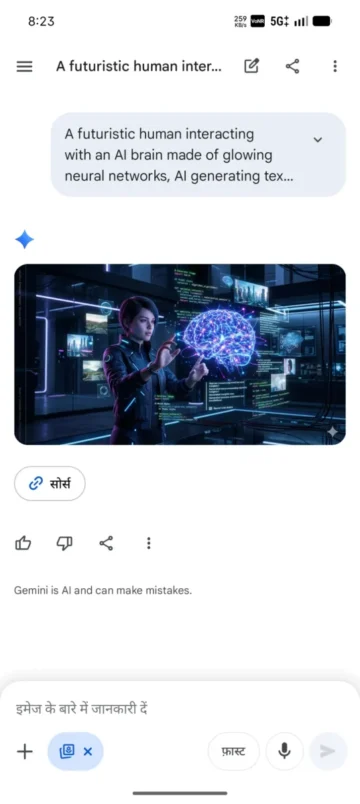
Generative AI Meaning in Simple Words
The word “generate” means to create something new.
Traditional AI systems usually classify or predict. For example:
- Spam filters detect unwanted emails
- Recommendation systems suggest videos
- Face recognition identifies people
However, Generative AI goes further. It creates original output based on patterns it learned from data.
For example:
- It can write a blog post
- Design an image from a text prompt
- Compose music
- Build simple software code
It studies massive amounts of training data, learns patterns, and then produces new content that follows those patterns.
That’s why it’s often called AI content generation.
How Is It Different From Basic Artificial Intelligence
To understand Generative AI, you first need to understand artificial intelligence basics.
Traditional AI focuses on:
- Detecting patterns
- Sorting information
- Making predictions
Meanwhile, Generative AI models focus on creation.
Think of it like this:
- Traditional AI = “What is this?”
- Generative AI = “Create something new like this.”
That shift from analysis to creation is what makes it powerful.
What Can Generative AI Create?
Today’s AI models can generate:
- Text (articles, emails, scripts)
- Images (art, product designs)
- Audio (voiceovers, music)
- Video content
- Computer code
Many tools rely on advanced systems like large language models and deep neural networks. These systems use deep learning techniques to understand language and visual patterns.
But here’s the important part:
It doesn’t “think” like a human. It predicts the most likely next word, pixel, or sound based on patterns.
That prediction process creates surprisingly realistic results.
A Simple Analogy to Understand Generative AI
Imagine you read 10,000 mystery novels.
Over time, you learn:
- Common story structures
- Typical character types
- Popular plot twists
Now, if someone asks you to write a mystery story, you could do it.
You wouldn’t copy a book. You’d create something new based on what you learned.
That’s exactly how Generative AI works.
It studies patterns in massive datasets. Then it generates new content that follows those patterns.
Why Generative AI Matters in 2026
Generative AI is not just a trend. It’s reshaping industries.
Businesses use AI models for:
- Customer support automation
- Marketing content
- Product design
- Coding assistance
Students use it for:
- Research summaries
- Study notes
- Idea brainstorming
Creators use it for:
- YouTube scripts
- Graphic design
- Social media posts
According to industry reports, AI adoption has grown rapidly over the past few years. Meanwhile, generative AI tools continue to improve in accuracy and creativity.
However, it’s important to use them responsibly. These systems can sometimes produce incorrect or biased information.
What Makes Generative AI Powerful?
The real power comes from:
- Massive training data
- Advanced neural networks
- High computing power
- Continuous model improvements
Modern generative AI models rely on architectures designed specifically for pattern recognition at scale. This allows them to produce human-like results in seconds.
That speed changes how we work.
Quick Recap
So, what is Generative AI?
It is a type of artificial intelligence that:
- Learns from large datasets
- Recognizes patterns
- Creates new content
- Uses deep learning and neural networks
It does not understand meaning like humans do. Instead, it predicts patterns extremely well.
And that prediction ability makes it feel intelligent.
Now that you understand the basic definition of Generative AI, let’s go deeper.
Generative AI vs Traditional AI
Here’s where most beginners get confused.
Isn’t all AI the same?
Not exactly.
If you truly want to understand What Is Generative AI?, you need to see how it differs from traditional artificial intelligence systems. The difference changes everything.
What Is Traditional AI?
Traditional AI focuses on prediction and classification.
It looks at data and answers questions like:
- Is this email spam?
- What product should we recommend?
- Is this transaction fraudulent?
- What will sales look like next month?
This type of system uses machine learning and predictive analytics to detect patterns. However, it does not create new content.
For example:
- A Netflix recommendation system suggests shows.
- A bank’s fraud detection system flags unusual activity.
- A weather model predicts tomorrow’s temperature.
These systems are powerful. But they analyze and predict. They don’t generate.
What Makes Generative AI Different?
Now let’s talk about Generative AI.
Instead of just predicting outcomes, Generative AI models create brand-new content.
They can:
- Write articles
- Generate images
- Produce music
- Create software code
That’s a major shift.
Traditional AI answers:
- “What is likely to happen?”
Generative AI answers:
- “Create something new based on what you’ve learned.”
This creation ability is powered by advanced systems like large language models (LLMs) and deep neural networks.

Side-by-Side Comparison
Let’s make it simple.
| Feature | Traditional AI | Generative AI |
|---|---|---|
| Main Purpose | Predict & classify | Create new content |
| Output Type | Labels, scores, forecasts | Text, images, audio, code |
| Example | Spam filter | AI writing tool |
| Core Technology | Machine learning | Deep learning + neural networks |
| Creativity Level | Low | High (pattern-based creativity) |
This table alone clears up most confusion.
Real-World Example You’ll Relate To
Imagine you run a small online store.
Traditional AI might:
- Predict which customers will buy again
- Recommend related products
- Detect fake reviews
Meanwhile, Generative AI could:
- Write product descriptions
- Generate marketing emails
- Create social media posts
Both are useful. However, they solve different problems.
One optimizes decisions. The other creates content.
How Machine Learning Fits Into Both
Here’s an important detail.
Both systems use machine learning. That’s the broader field of teaching computers to learn from data.
However:
- Traditional AI focuses on predictive models.
- Generative AI relies heavily on deep learning and advanced architectures like transformers.
- These transformer-based systems allow AI to understand context and generate human-like responses.
That’s why modern generative AI feels so natural when you interact with it.
When Should You Use Each?
If you’re a beginner or business owner, here’s a simple rule:
Use traditional AI when you need:
- Predictions
- Risk analysis
- Customer segmentation
- Forecasting
Use Generative AI when you need:
- Content creation
- Brainstorming ideas
- Drafting documents
- Creative support
Knowing the difference saves time and money.
Why This Difference Matters in 2026
AI adoption continues to grow across industries. According to industry research, companies are investing heavily in automation and AI-powered tools.
However, many people still mix up predictive AI with generative systems.
Understanding the difference helps you:
- Choose the right tool
- Avoid unrealistic expectations
- Use AI responsibly
And that’s important. Because generative systems can produce convincing but incorrect content if used blindly.
Quick Recap
Traditional AI:
- Predicts and analyzes
- Uses machine learning
- Focuses on classification
Generative AI:
- Creates new content
- Uses deep learning and neural networks
- Powers modern AI writing and image tools
How Generative AI Works
Ever wondered how an AI tool writes a full article in seconds?
It doesn’t “think” like you do. It follows patterns at massive scale.
To truly understand What Is Generative AI?, you need to see how it works behind the scenes. The process may sound complex. However, the core idea is surprisingly simple.
Let’s break it down step by step.
Step 1: Training on Massive Amounts of Data
Everything starts with training data.
Generative AI systems are trained on huge collections of text, images, audio, and code. This data helps the model learn patterns in language and visuals.
For example, a large language model (LLM) may study:
- Books
- Articles
- Public websites
- Research papers
- Conversations
During this stage, the system uses deep learning and neural networks to analyze billions of examples.
It does not memorize everything. Instead, it learns patterns like:
- Which words often appear together
- How sentences are structured
- How ideas connect
This training process requires high computing power and advanced hardware.
Step 2: Learning Patterns Through Neural Networks
Once trained, the model uses neural networks to process new input.
These networks are inspired by the human brain. However, they are mathematical systems, not biological ones.
Modern generative AI models rely on a special architecture called a transformer. This structure helps the AI understand context.
For example:
If you type:
“Write a motivational speech for students.”
The model analyzes:
- The topic (motivational speech)
- The audience (students)
- The tone implied
Then it predicts the most likely next word. And then the next one. And the next.
This prediction happens in milliseconds.
That’s why AI-generated content feels natural.
Step 3: Generating New Content
Now comes the creation stage.
When you give an AI a prompt, it does not search the internet live. Instead, it uses what it learned during training.
It generates content by:
- Understanding your input
- Predicting the most relevant response
- Structuring it logically
- Refining output based on probabilities
This process is called AI content generation.
Here’s the key point:
It creates new content based on patterns. It does not copy and paste.
However, because it predicts patterns, it can sometimes produce incorrect or outdated information. That’s why human review matters.
Step 4: Refinement Through Feedback
Many generative AI systems improve over time.
Developers use:
- Human feedback
- Reinforcement learning
- Error correction systems
This helps reduce bias, improve accuracy, and enhance performance.
Additionally, companies test models carefully before release. However, no system is perfect.
That’s why experts recommend verifying AI-generated information before publishing or using it professionally.
A Simple Analogy to Understand the Process
Think of Generative AI like a super-powered auto-complete system.
When you type a message on your phone, it predicts the next word.
Now imagine that feature trained on billions of sentences. That’s essentially how large language models operate.
But instead of predicting one word, they predict entire paragraphs.
Why This Matters to You
Understanding how Generative AI works helps you use it smarter.
If you know it predicts patterns, you’ll:
- Write clearer prompts
- Verify important facts
- Avoid blind trust
- Use it as a tool, not a replacement
Pro Tip:
Be specific in your prompts. The more context you give, the better the output.
For example, instead of writing:
“Write about marketing.”
Try:
“Write a 300-word beginner guide about social media marketing for small businesses.”
The second prompt produces stronger results.
Quick Recap
Here’s how Generative AI works:
- It trains on massive datasets.
- It learns patterns using neural networks and transformers.
- It generates new content by predicting the next best output.
- It improves through feedback and refinement.
Types of Generative AI Models
Not all generative systems work the same way.
If you really want to understand What Is Generative AI?, you need to know the main types of models behind it. Each model uses a different approach to create content.
Some specialize in text. Others focus on images or data simulation.
Let’s break them down in simple terms.
1. Large Language Models (LLMs)
This is the most popular type of Generative AI model today.
A large language model (LLM) is designed to generate human-like text. It uses deep learning and transformer architecture to understand context.
LLMs are trained on massive text datasets. They learn grammar, tone, structure, and patterns in language.
You interact with LLMs when you:
- Ask AI to write an article
- Generate email drafts
- Summarize documents
- Create coding scripts
These models rely heavily on neural networks with billions of parameters. That scale allows them to produce realistic output.
However, remember this:
They predict patterns. They don’t truly “understand” meaning.
2. Generative Adversarial Networks (GANs)
GANs were one of the early breakthroughs in AI image generation.
The full name is Generative Adversarial Network.
GANs work using two neural networks:
- A Generator creates fake content.
- A Discriminator checks if it looks real.
They compete with each other. Over time, the generator improves.
This approach works well for:
- Creating realistic human faces
- Enhancing image resolution
- Style transfer in art
GANs played a major role in early generative AI development. However, newer models have become more popular for certain tasks.
3. Diffusion Models
Diffusion models power many modern AI image tools.
Instead of competing networks, these models start with random noise. Then they gradually refine it into a clear image.
Here’s how it works:
- Add noise to training images.
- Teach the model to reverse the noise.
- Generate new images by reversing noise step by step.
This method produces highly detailed visuals.
Today, diffusion models are widely used in:
- AI art generators
- Product mockups
- Creative design tools
If you’ve seen ultra-realistic AI artwork, a diffusion model likely created it.
4. Variational Autoencoders (VAEs)
VAEs are another type of generative AI model.
They compress data into a smaller representation. Then they reconstruct it into new variations.
They are useful for:
- Data simulation
- Image variation
- Medical imaging research
VAEs are not as widely discussed as LLMs or diffusion models. However, they remain important in research and specialized applications.
How These Models Fit Together
Each model type serves a different purpose.
Here’s a quick summary:
- LLMs → Text and language tasks
- GANs → Realistic image creation
- Diffusion models → High-quality art and visuals
- VAEs → Data representation and variation
Together, they power today’s generative AI ecosystem.
That’s why when people ask, “What Is Generative AI?”, the answer includes multiple technologies working behind the scenes.
Why Model Type Matters to You
As a beginner, you don’t need to build these models.
However, understanding them helps you:
- Choose the right tool
- Set realistic expectations
- Understand strengths and weaknesses
For example:
If you need blog content, use an LLM-based tool.
If you need product visuals, look for diffusion-powered software.
Using the right system improves results immediately.
Quick Recap
Generative AI models come in different forms.
Some focus on language. Others focus on images or structured data.
The most common types include:
- Large Language Models
- Generative Adversarial Networks
- Diffusion Models
- Variational Autoencoders
Each uses neural networks and deep learning to create new content.
Real-World Examples of Generative AI
You’ve learned what it is. You’ve seen how it works.
Now let’s answer the practical question:
Where is Generative AI actually being used in real life?
The truth is, it’s already part of your daily routine. You just may not notice it.
Below are the most impactful real-world examples of AI content generation in action.
1. AI Writing and Content Creation
One of the most common applications of Generative AI is text generation.
Modern large language models (LLMs) can:
- Write blog posts
- Draft emails
- Create product descriptions
- Summarize research papers
- Generate social media captions
For example, small businesses now use AI writing tools to create marketing content faster. Meanwhile, students use AI to simplify complex topics into easy notes.
However, smart users always review and edit the output.
Pro Tip:
Use AI for first drafts, not final versions. Add your own voice for authenticity.
This approach saves time while maintaining quality.
2. AI Image Generation
AI image generators have grown rapidly in recent years.
Using diffusion models or GAN-based systems, these tools can:
- Create realistic portraits
- Design product mockups
- Generate digital art
- Produce marketing visuals
Designers now use AI to brainstorm ideas quickly. Additionally, e-commerce brands use it to visualize products before manufacturing.
For example, a startup can create packaging designs without hiring a full design team.
That lowers costs and speeds up creativity.
3. AI in Coding and Software Development
Generative AI is transforming programming.
AI coding assistants can:
- Suggest code snippets
- Fix bugs
- Generate basic apps
- Translate code between languages
This is possible because generative AI models learn patterns from massive code datasets.
Developers still review and test everything. However, AI speeds up repetitive tasks.
If you are a beginner learning programming, this can feel like having a tutor beside you.
4. AI in Customer Support
Many businesses now use AI-powered chat systems.
These systems generate human-like responses to customer questions.
They can:
- Answer FAQs
- Process simple requests
- Guide users step by step
Unlike traditional chatbots that follow scripts, generative systems create dynamic replies.
This improves customer experience while reducing support costs.
5. AI in Education
Generative AI plays a growing role in learning environments.
Students use it to:
- Break down difficult concepts
- Generate practice questions
- Create study summaries
- Teachers use it to design lesson plans and quizzes.
However, educational institutions also emphasize responsible use. AI should support learning, not replace it.
6. AI in Marketing and Advertising
Marketing teams rely heavily on AI content generation.
They use it for:
- Email campaigns
- Ad copy variations
- SEO blog outlines
- Keyword research assistance
Because generative AI can test multiple variations quickly, businesses can optimize campaigns faster.
This improves engagement and conversion rates when used strategically.
7. AI in Creative Industries
Music and video production are also evolving.
Generative AI tools can:
- Compose background music
- Generate voiceovers
- Create short promotional videos
Content creators use these tools to reduce production time.
However, creativity still depends on human direction and editing.
Why These Examples Matter
Understanding real-world applications helps you see the bigger picture.
When someone asks, “What Is Generative AI?”, the answer isn’t just theory.
- It’s practical.
- It powers:
- AI writing software
- AI image generators
- AI productivity tools
- Business automation systems
And it continues expanding into new industries.
Use AI as a Tool, Not a Replacement
Generative AI increases productivity. However, it works best when combined with human judgment.
Here’s a simple framework you can follow:
- Use AI to generate ideas.
- Review and fact-check output.
- Add personal insight or expertise.
- Refine tone and clarity.
This balanced approach builds trust and maintains quality.
Quick Recap
Real-world examples of Generative AI include:
- Writing and blogging
- Image and art creation
- Coding assistance
- Customer support
- Education tools
- Marketing automation
These applications show why generative systems are growing so quickly.
Best Generative AI Tools in 2026
There are hundreds of AI tools online. So which ones are actually worth your time?
If you now understand What Is Generative AI?, the next step is choosing the right tools. The best generative AI tools in 2026 focus on productivity, creativity, and ease of use.
Below are reliable options across different categories.
1. AI Writing Tools (Large Language Model Based)
These tools rely on large language models (LLMs) for AI content generation.
They are ideal for:
- Blogging
- Academic summaries
- Marketing copy
- Email drafting
- Script writing
Why they matter:
They save hours of writing time while helping you brainstorm ideas.
If you are a student, freelancer, or business owner, AI writing software can help you create first drafts quickly.
However, always review content for accuracy. Generative AI models can occasionally produce outdated or incorrect information.
Best for:
Content creators, students, marketers.
2. AI Image Generators (Diffusion Model Powered)
AI image generators have improved dramatically.
These tools use diffusion models or GAN-based systems to create:
- Realistic portraits
- Product designs
- Social media graphics
- Concept art
You simply type a text prompt. The system generates an image based on learned visual patterns.
For example:
“Create a futuristic smartphone advertisement with neon lighting.”
Within seconds, you get multiple variations.
Best for:
Designers, social media managers, e-commerce brands.
3. AI Coding Assistants
AI is transforming software development.
Modern coding assistants can:
- Suggest code snippets
- Explain programming errors
- Translate between languages
- Generate small applications
These tools use generative AI models trained on large code datasets.
If you are learning programming, they can act like a study partner. However, you should still test and verify the output.
Best for:
Developers, students, startups.
4. AI Productivity and Research Tools
Some generative AI tools focus on organization and research.
They can:
- Summarize long documents
- Extract key insights
- Generate meeting notes
- Create structured outlines
This type of AI productivity tool is useful in business environments.
Additionally, professionals use them to speed up research and reporting tasks.
Best for:
Managers, researchers, corporate teams.
5. AI Video and Audio Generation Tools
Video creation is becoming easier with generative systems.
These tools can:
- Generate voiceovers
- Create short explainer videos
- Produce background music
- Convert text into video scripts
While quality varies, improvements in neural networks and deep learning have made these tools more realistic.
However, human editing still improves final output significantly.
Best for:
YouTubers, educators, marketers.
Free vs Paid Generative AI Tools
Most platforms offer both free and premium plans.
Free plans usually include:
- Limited word counts
- Watermarked images
- Restricted features
Paid versions unlock:
- Higher quality output
- More advanced AI models
- Faster response times
If you are just starting, test free versions first. Then upgrade only if the tool genuinely improves your workflow.
How to Choose the Right Generative AI Tool
Before selecting a tool, ask yourself:
- What problem am I solving?
- Do I need text, images, or code?
- Is accuracy critical for this task?
- Do I need advanced features?
This approach prevents unnecessary subscriptions.
Expert Insight:
The best generative AI tools in 2026 are not the most complex ones. They are the ones that fit your specific needs.
Why This Matters
Understanding What Is Generative AI? is useful. However, applying it through the right tools is where real value appears.
These generative AI tools help you:
- Work faster
- Brainstorm smarter
- Reduce repetitive tasks
- Boost creativity
But remember, they are assistants, not replacements for critical thinking.
Is Generative AI Safe?
Here’s the honest question most beginners ask:
Is Generative AI actually safe to use?
The short answer is yes — but with conditions.
Like any powerful technology, generative AI models bring both benefits and risks. Understanding those risks helps you use AI responsibly and confidently.
Let’s break it down clearly.
The Main Safety Concerns
When people ask, “Is generative AI safe?”, they usually worry about:
- Privacy issues
- Misinformation
- AI bias
- Job displacement
- Over-reliance on automation
These concerns are valid. However, they are manageable when you understand how AI systems work.
1. Privacy and Data Security
Many generative AI tools process user inputs through cloud-based systems.
That means when you type a prompt, your data may be stored or analyzed depending on the platform’s policy.
Therefore, avoid entering:
- Sensitive personal information
- Confidential business data
- Private passwords or documents
Always check the platform’s privacy policy before using it for professional work.
Pro Tip:
Use AI tools that offer enterprise-level security if you handle business data.
2. AI Hallucinations and Misinformation
Generative AI predicts patterns. It does not verify facts automatically.
This sometimes leads to AI hallucinations, where the system generates confident but incorrect information.
For example:
- Fake statistics
- Incorrect references
- Outdated facts
That’s why experts recommend fact-checking AI-generated content before publishing.
If accuracy matters, verify information using trusted sources.
3. Bias in Generative AI Models
AI models learn from large datasets. If that data contains bias, the output may reflect it.
This is known as algorithmic bias.
- Developers actively work to reduce bias through:
- Data filtering
- Reinforcement learning
- Human review systems
However, no AI system is completely neutral.
As a user, you should critically evaluate responses, especially in sensitive topics.
4. Ethical Concerns
Another major concern is ethical use.
Generative AI can create realistic images, text, and audio. If misused, it could spread misinformation or impersonate individuals.
This raises ethical AI questions about:
- Transparency
- Accountability
- Responsible deployment
Governments and technology companies are working on regulations to ensure safer AI usage.
Meanwhile, responsible use starts with users like you.
5. Job Displacement Fears
Many people worry that AI will replace jobs.
In reality, generative AI often automates repetitive tasks rather than entire professions.
For example:
- It drafts marketing content, but humans refine it.
- It suggests code, but developers review and test it.
- It summarizes research, but professionals interpret results.
AI works best as a productivity tool, not a full replacement.
How to Use Generative AI Safely
Here’s a simple safety checklist you can follow:
- Never share sensitive data.
- Fact-check important outputs.
- Use AI as support, not authority.
- Stay updated on platform policies.
- Apply critical thinking before publishing content.
Following these steps reduces most risks.
Expert Insight: Balance Is Key
Generative AI is neither completely safe nor dangerous.
It is a tool.
Used responsibly, it increases efficiency and creativity. Used carelessly, it can spread errors or misinformation.
Understanding What Is Generative AI? includes understanding its limitations.
And that awareness makes you a smarter user.
Quick Recap
Is generative AI safe?
Yes — if you:
- Protect your privacy
- Verify information
- Recognize potential bias
- Use it ethically
Technology evolves quickly. Therefore, staying informed is your best defense.
Benefits and Limitations of Generative AI
Before you fully adopt any technology, you should ask one simple question:
What are the real advantages — and where are the risks?
Understanding the benefits and limitations of Generative AI helps you use it wisely. It also gives you realistic expectations.
Let’s look at both sides clearly.
The Benefits of Generative AI
1. Faster Content Creation
One of the biggest advantages of Generative AI is speed.
AI content generation tools can produce:
- Blog drafts
- Marketing copy
- Emails
- Code snippets
- Design concepts
Tasks that once took hours can now take minutes.
For students, this means quicker study summaries. For businesses, it means faster content production.
However, speed should never replace accuracy.
2. Increased Productivity
Generative AI models automate repetitive tasks.
For example:
- Drafting similar emails
- Writing product descriptions
- Generating report outlines
- This frees up time for strategic thinking.
Instead of staring at a blank screen, you start with a structured draft.
That alone reduces mental fatigue.
3. Creativity Support
Generative AI does not replace creativity. It supports it.
If you struggle with writer’s block, AI can generate ideas instantly.
For designers, AI image generators create multiple concept variations quickly.
This makes brainstorming faster and more flexible.
4. Accessibility and Learning Support
AI tools make complex information easier to understand.
Large language models can:
- Simplify technical topics
- Translate languages
- Explain concepts step by step
This improves accessibility in education and professional environments.
Additionally, beginners can learn faster with AI-assisted guidance.
5. Cost Efficiency for Businesses
Startups and small businesses benefit from reduced operational costs.
Instead of hiring large teams for repetitive tasks, companies use generative AI tools for:
- Basic customer responses
- First-draft marketing materials
- Content research assistance
This lowers entry barriers for entrepreneurs.
The Limitations of Generative AI
Now let’s talk about the other side.
No technology is perfect.
1. Accuracy Issues
Generative AI predicts patterns. It does not verify facts.
This can result in:
- Outdated data
- Fabricated references
- Incorrect explanations
That’s why fact-checking remains essential.
Never publish AI-generated content without reviewing it.
2. Bias in AI Models
Generative AI models learn from large datasets. If that data contains bias, the output may reflect it.
Developers work to reduce bias. However, complete neutrality is difficult.
As a user, you must evaluate content critically.
3. Lack of True Understanding
AI does not have real comprehension.
It processes language mathematically using neural networks and deep learning systems.
Therefore, it may generate responses that sound correct but lack deeper reasoning.
Human judgment is still necessary.
4. Over-Reliance Risk
Relying too heavily on AI can reduce skill development.
For example:
- Students may stop practicing writing
- Developers may rely too much on AI code suggestions
- Generative AI should enhance your skills, not replace them.
5. Ethical and Privacy Concerns
As discussed earlier, AI systems may process user inputs through cloud-based servers.
Additionally, generative content can sometimes be misused.
Responsible use and awareness reduce these risks.
The Smart Way to Use Generative AI
Here’s a simple framework you can follow:
- Use AI for ideation and drafts.
- Apply human expertise for refinement.
- Verify facts before publishing.
- Maintain your own critical thinking skills.
This approach maximizes benefits while minimizing risks.
Final Thoughts on Benefits and Limitations
If you understand What Is Generative AI?, you also understand that it is a tool.
It increases speed, creativity, and efficiency.
However, it requires human oversight and responsibility.
Used wisely, it becomes one of the most powerful productivity tools available today.
How to Start Using Generative AI
You don’t need to be a programmer to use AI.
In fact, most people using Generative AI today have zero technical background.
If you’ve been wondering how to move from understanding What Is Generative AI? to actually using it, this section gives you a clear roadmap.
Let’s keep it simple and practical.
Step 1: Choose the Right Generative AI Tool
Start with your goal.
Ask yourself:
- Do I need help writing?
- Do I want to generate images?
- Am I learning to code?
- Do I need research summaries?
Different generative AI tools serve different purposes.
For example:
- Use an AI writing tool for blog drafts.
- Use an AI image generator for design work.
- Use a coding assistant for programming tasks.
Most platforms offer free plans. Therefore, test before committing to paid versions.
Pro Tip:
Pick one tool and master it before jumping to five others.
Step 2: Learn Basic Prompt Writing (Prompt Engineering)
The quality of output depends heavily on your input.
This is called prompt engineering.
A weak prompt gives weak results. A detailed prompt gives better output.
Instead of writing:
“Write about fitness.”
Try:
“Write a 400-word beginner guide about home workouts for busy professionals.”
Notice the difference?
Be clear about:
- Length
- Tone
- Target audience
- Purpose
The more context you provide, the better generative AI models perform.
Step 3: Start With Low-Risk Tasks
If you are new to AI content generation, begin with simple tasks.
For example:
- Brainstorm blog ideas
- Generate outlines
- Rewrite paragraphs for clarity
- Create summary notes
Avoid high-stakes tasks at first, such as legal documents or financial advice.Build confidence gradually.
Step 4: Always Review and Edit Output
Generative AI predicts patterns. It does not fact-check automatically.
Therefore, you should:
- Verify key facts.
- Adjust tone to match your voice.
- Remove unnecessary repetition.
- Add personal insight.
This human layer improves trust and quality.
Expert Insight:
The best results happen when AI handles structure and humans handle judgment.
Step 5: Protect Your Privacy
When using generative AI tools, avoid entering:
- Personal identification details
- Confidential business data
- Passwords or sensitive records
Most platforms explain how they handle data. Always review their privacy policies.
Responsible use protects you in the long term.
Step 6: Use AI to Enhance, Not Replace Skills
It’s tempting to let AI do everything.
However, growth happens when you combine technology with learning.
For example:
- Use AI to draft content, then refine it manually.
- Use AI coding suggestions, but understand the logic behind them.
- Use AI summaries, but still read important sources.
This balanced approach helps you improve while benefiting from automation.
A Beginner-Friendly Workflow
Here’s a simple workflow you can follow:
- Define your task clearly.
- Choose the right generative AI tool.
- Write a detailed prompt.
- Generate output.
- Review and refine.
- Repeat this process consistently.
Over time, you will naturally improve your prompt writing and efficiency.
Quick Recap
Starting with Generative AI is easier than most people think.
You only need:
- The right tool
- Clear prompts
- Critical thinking
- Responsible usage habits
Understanding What Is Generative AI? gives you the theory.
Using it wisely gives you real-world results.
The Future of Generative AI
Five years ago, most people had never used an AI writing tool.
Today, millions use Generative AI daily.
So what happens next?
If you truly understand What Is Generative AI?, the natural question is where this technology is heading. The future of generative AI looks powerful, but also more regulated and refined.
Let’s explore what you can realistically expect.
1. Smarter and More Accurate AI Models
Current generative AI models are impressive. However, they still produce occasional errors.
In the coming years, improvements in:
- Training data quality
- Neural network optimization
- Reinforcement learning systems
- Fact-checking integrations
- will reduce hallucinations and bias.
Future large language models (LLMs) will likely combine generation with real-time verification systems. This could improve reliability significantly.
For users, that means safer and more dependable AI content generation.
2. Deeper Integration Into Everyday Tools
Generative AI will not remain a standalone tool.
Instead, it will integrate directly into:
- Office software
- Search engines
- Design platforms
- Educational systems
- Development environments
You may not even notice when you are using AI.
For example, document editors may automatically suggest structured content. Meanwhile, design tools may generate layouts instantly.
AI will quietly become part of your workflow.
3. Personalized AI Assistants
Future generative systems will become more personalized.
Instead of generic responses, AI models may adapt to:
- Your writing style
- Your professional field
- Your preferred tone
- Your work habits
This shift will create AI assistants that feel more tailored.
However, personalization will require careful data handling and privacy protection.
4. Stronger Regulations and Ethical Frameworks
As generative AI expands, governments and organizations are introducing new regulations.
These policies focus on:
- Transparency
- Data protection
- Responsible deployment
- Clear labeling of AI-generated content
Stronger governance will likely reduce misuse and improve trust.
For businesses, compliance will become an important factor when choosing generative AI tools.
5. Expansion Into More Industries
Generative AI is already active in marketing, education, and software development.
In the future, it may expand further into:
- Healthcare support systems
- Legal research assistance
- Scientific simulations
- Architecture and product design
Deep learning systems continue to evolve. As computing power increases, generative AI models will handle more complex tasks.
However, human oversight will remain essential.
6. Collaboration Between Humans and AI
The future is not humans versus AI.
It is humans plus AI.
Generative AI performs repetitive and pattern-based tasks efficiently. Humans bring creativity, emotional intelligence, and critical thinking.
The strongest results will come from collaboration.
For example:
- Writers will use AI for drafts and outlines.
- Developers will use AI for code suggestions and debugging.
- Educators will use AI for content structure and student support.
- The human role shifts from creator of everything to director and editor.
Skills That Will Matter Most
As generative AI becomes more common, certain skills will increase in value:
- Critical thinking
- Prompt engineering
- Fact-checking
- Creativity
- Ethical decision-making
Learning how to work with AI will be more important than competing against it.
A Balanced Perspective on the Future
The future of Generative AI is promising.
However, it is not magic.
AI systems rely on data, algorithms, and computing power. They do not have independent awareness or intent.
Understanding both the capabilities and limits keeps expectations realistic.
Final Thoughts on the Future of Generative AI
Generative AI will likely become:
- More accurate
- More integrated
- More personalized
- More regulated
If you understand What Is Generative AI? today, you are already ahead of many people.
The key is simple:
Stay informed. Use AI responsibly. Keep developing your own skills.
Conclusion: Your Next Step With Generative AI
You started with a simple question: What Is Generative AI?
Now you understand how it works, the types of models behind it, real-world examples, benefits, risks, and how beginners can start using it in 2026. That’s a powerful shift from confusion to clarity.
Here are your key takeaways:
Understand the difference between traditional AI and generative AI before choosing tools.
- Start small with low-risk tasks like brainstorming and outlines.
- Write better prompts to improve AI output instantly.
- Always fact-check and apply your own critical thinking.
- Use AI as a productivity partner, not a replacement for your skills.
Generative AI is not just a trend. It’s becoming a core digital skill. And the good news? You’re already ahead by learning how it truly works.
Ready to go deeper?
If you’re curious how AI impacts daily life, read our guide on Artificial Intelligence in Everyday Life: Benefits, Examples & Risks.
Or explore how smart tech transforms homes in our latest post on Matter Smart Home: Simplifying Your Life in 2026.
Don’t just understand AI. Start applying it today — and build smarter habits for the future.

Frequently Asked Questions
Q1: What is Generative AI in simple words?
Generative AI is a type of artificial intelligence that creates new content such as text, images, audio, or code based on patterns it has learned from large datasets. Instead of just analyzing information, it generates original output.
In simple terms, it predicts what should come next — whether that’s a word in a sentence or pixels in an image. Modern generative AI models use deep learning and neural networks to produce human-like results. Beginners can think of it as advanced pattern-based creativity powered by AI.
Q2: How does Generative AI work step by step?
Generative AI works by training on massive datasets, learning patterns through neural networks, and then generating new content based on user prompts. It predicts the most likely output using probability models.
First, large language models (LLMs) learn from books, websites, and other data. Then, when you enter a prompt, the system analyzes context and predicts the next best word or image element. This process happens in milliseconds and powers AI content generation tools used in 2026.
Q3: What is the difference between AI and Generative AI?
Traditional AI focuses on prediction and classification, while Generative AI creates new content. One analyzes data; the other generates text, images, or code.
For example, predictive AI detects spam emails. Meanwhile, generative AI writes an email for you. Both rely on machine learning, but generative systems use advanced deep learning models like transformers to produce original outputs.
Q4: Is Generative AI safe to use for students and businesses?
Yes, Generative AI is generally safe when used responsibly. However, users should avoid sharing sensitive information and always verify important facts.
Generative AI tools can sometimes produce inaccurate or biased responses. Therefore, fact-checking is essential. Businesses should review privacy policies before uploading confidential data. Used carefully, AI productivity tools can significantly improve efficiency.
Q5: What are examples of Generative AI tools in 2026?
Examples of generative AI tools in 2026 include AI writing assistants, image generators, coding assistants, video creation tools, and research summarization platforms.
These tools rely on large language models, diffusion models, and other generative AI technologies. Students use them for study notes, while businesses use them for marketing content and automation. Choosing the right tool depends on your specific task.
Q6: Can Generative AI replace human jobs?
Generative AI is more likely to automate repetitive tasks rather than fully replace human jobs. It enhances productivity but still requires human oversight.
For example, AI can draft content or suggest code. However, humans review, edit, and make strategic decisions. The future of Generative AI focuses on collaboration between humans and AI systems rather than complete replacement.
Q7: How can beginners start using Generative AI today?
Beginners can start using Generative AI by choosing a simple tool, writing clear prompts, and starting with low-risk tasks like brainstorming or outlining.
Focus on learning basic prompt engineering. Provide clear instructions about length, tone, and purpose. Always review and refine AI output before using it publicly. This approach builds confidence while maintaining quality and accuracy.
If you still have questions about What Is Generative AI?, feel free to share them in the comments. The technology evolves quickly, and staying curious is the best way to stay ahead.
2 Comments